
Anthony Newley
Encore - May/June 1981
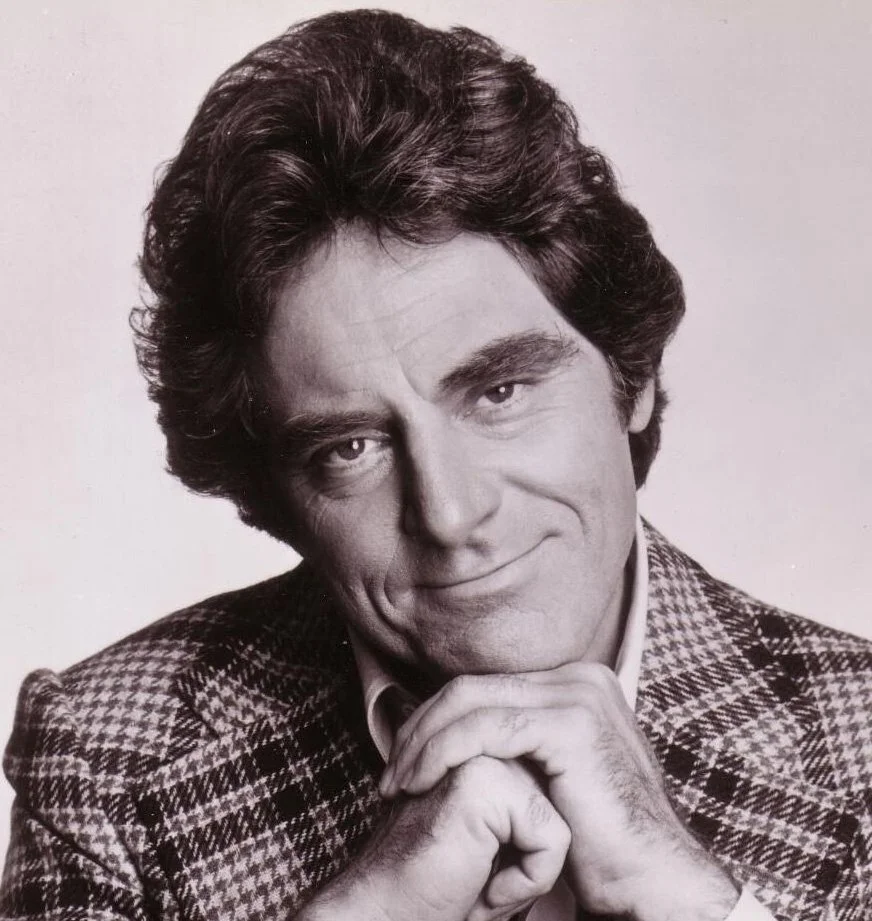
Anthony Newley - “Life does come in enormous colours…”
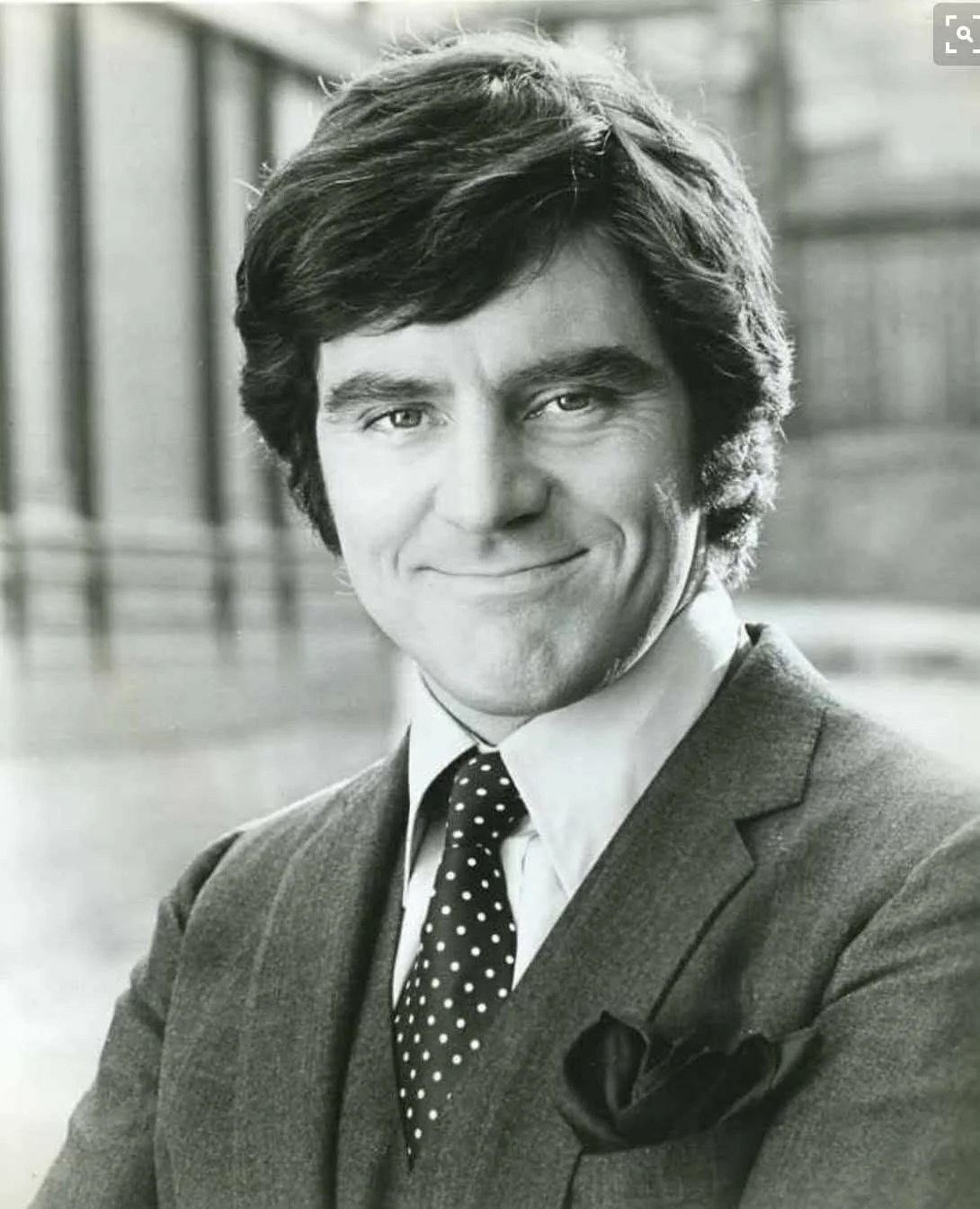
ANTHONY NEWLEY
Andrew L. Urban and Margaret Keller talk over breakfast with the man who makes you laugh – and cry.
Anthony Newley is a private man in a public business. “I think that’s what one needs to more and more in cabaret… it really is a one-to-one thing with the audience – it’s a nakedness. I treated the St George Leagues Club as a nightclub performance… which is what we are talking about… night club performers, and all the great nightclub performers have had that courage or whatever it is to be vulnerable.”
We had been chatting about his show and some of the personal sentiments he expresses through his songs.
“You can be slick as hell – and there’s a lot of good slick acts, but without the one thing, it’s not memorable for any reason,” and as he added, most of what he does is “a cry from the heart, a lot of the time. And it’s the only way perhaps that Anthony Newley can reach anybody out there.”
But what can one do when you can’t really be that private. One has to deal in emotions – and Newley has enormous emotions about everything. “Everything is a NUMBER you know. Getting up in the morning is an incredible experience! And carrying that around on your back all the time, life does come in enormous colours, and I guess that comes into the work.”
“love is one of the great “trash” words in our society”
Paradoxically, Newley has not written a love song. “When there are 6,000 love songs being written every week… I can’t tread that path. It’s almost trite. I think love is almost too important to sing about. The way it is written about, love is one of the great “trash” words in our society, now. I love you has become so common as to almost not be heard. I lust you would be good, you know, most of the time
During all the years of working with Leslie Bricusse, they never once wrote a love song together, though Bricusse had one his own written several. It was an unspoken understanding, Newley recalls. He last wrote with Bricusse some 5 years ago when they wrote the Peter Pan movie. They will soon team up once more. They parted writing together not from any incompatibility, but because “as in every marriage, the time comes when you need some private space,” says Newley. He has just finished a film script – “because I desperately want to get back into films. Though I don’t know if I will get to star in it because quite frankly, I am not a bankable name. But there’s been some talk of me directing, and I shall see when I get back from Australia.”
Of course the one thing that Newley has a fascination for is the Pierrot, the clowns, the pathos of the Man Who Makes You Laugh. Where did that come from? “It’s not really an answer but it’s interesting, I am reading up on Chaplin a lot. We were born in the same place, we had a very similar kind of crazy miserable childhood, and he took off in exactly the same direction – I’m not equating the two of us. But it may have something to do with that ‘lost childhood’… if a man’s childhood is denied him. It’s possible that he seeks it later.”
Newley also regards comedy as a very powerful instrument. “I regard comedy as a form of revenge and has nothing to do with that wanting to make people happy. Comedy, as power over an audience, is a very potent thing for a performer. You know if love was a noise, it would be laughter, in a way. To make laughter is one of the great highs. And that’s why we would all, us singers, like to do it. But I’ve always thought that comedians are very bitter people – and most of them are… if you’ve met the really successful ones. Not very nice people.”
It was when Newley first saw Marcel Marceau for the first time (Iin Stop the World I want to get Off), that he immediately identified with the pierrot. “Almost as if in another life that’s what I did for a living. Not that I ever studied mime, but I ‘connected’ with it instantly, as if it were in my genes. Pierrot attracts me more than the circus clown… that languid tragic beauty of that figure with the pom poms down the front…”
“Like a lot of creative people, I long for good conversation, and good conversation is very difficult to come by”
By now we had completely forgotten the breakfast, and even the coffee. It had not been an interview so much as a conversation – and much of it is not recorded here – so we asked Newley if interviews were an opportunity for him to formulate ideas and put into words some of this thoughts: “Like a lot of creative people, I long for good conversation, and good conversation is very difficult to come by. I often find that I have some of my best talks with people like yourselves… who have a mind and use it. That’s why I love to talk to journalists etc – they’ve got minds, they use it, they write and think… things crystalise, which I think sometimes I am not even responsible for.. as if one were being used as an outlet… things often happen through discourse, which do not happen when I am solo writing. There’s something wonderful about live discourse, which brings out thoughts and things that normal solitude writing wouldn’t do. I find I have to overwrite like hell to get to what I am after. All my songs are a synthesis… like my script is a synthesis: I mean I wrote pages and pages. But in conversation, you often get to the nub immediately. I really enjoy talking – which is the reason why I got into a lot of trouble in my early years, as I talked to the press about a lot of things I shouldn’t have talked about. I really should have been on a couch.” We laughed. It’s cheaper than the couch approach, but he said, still laughing, “not so attractive when you read it in the paper the next day.”
But that too, was a part of the price for him being such a keen communicator and such a vulnerable and private person in a public business.
Encore
May/June 1981